
Inside the Quarter Design: Who Is Depicted and How It Evolved
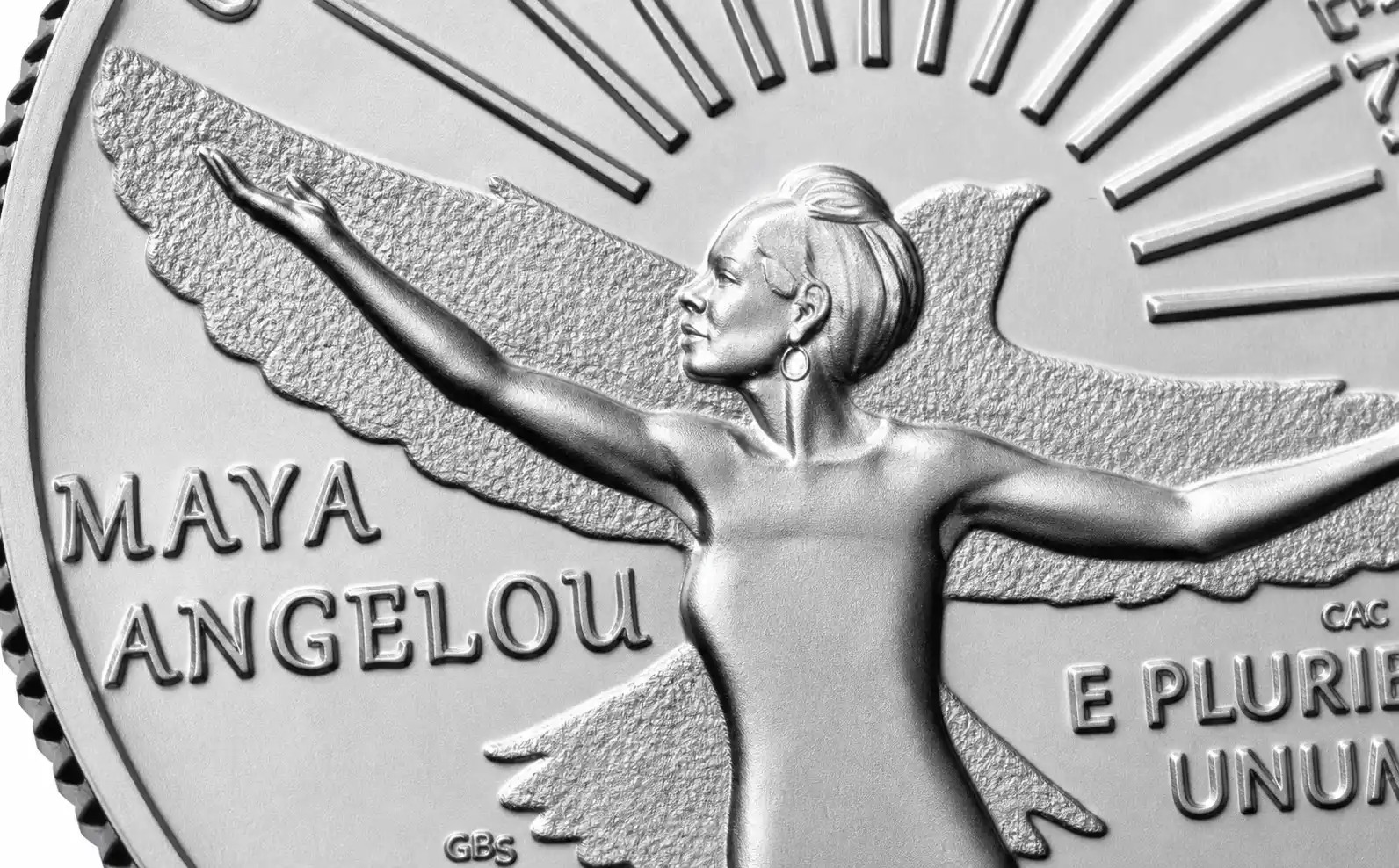
Design of the American 25-cent coin transitioned from classical allegories of Liberty to portraits of historical figures.
Who is in the quarter? Continuity of artistic traditions combines with technological progress in coin production.
Design Type | Minting Period | Primary Metal |
Draped Bust | 1796–1807 | Silver 89.2% |
Capped Bust | 1815–1838 | Silver 89.2% |
Seated Liberty | 1838–1891 | Silver 90% |
Barber Quarter | 1892–1916 | Silver 90% |
Standing Liberty | 1916–1930 | Silver 90% |
Era of Allegorical Liberty: Early Issues
First US quarters lacked portraits of real people due to the rejection of monarchical traditions.
Robert Scot developed the Draped Bust design depicting a woman with flowing hair.
This coin type is considered among the rarest because of small mintage figures in the early 19th century.
Value of the First 1796 Quarters
Mintage for the first year of issue totaled only 6,146 pieces.
2024 year price: $15,000.
2025 year price: $17,200.
2026 year price: $19,500.
Annual value growth exceeds 13% thanks to extreme rarity.
Seated Liberty Design: The Longest Period
Christian Gobrecht created an image of Liberty sitting on a rock and holding a shield.
This design remained in use for over half a century with minor modifications.
Arrows appeared near the date on the reverse in 1853 due to a change in coin weight.
Price Dynamics for Rare Seated Liberty Dates
1873-CC (no arrows) → Worth in 2026: $250,000.
1870-CC → Worth in 2026: $45,000.
1842-O (Small Date) → Worth in 2026: $12,000.
Aesthetics of Charles Barber: Strict Classicism
Barber's design, created by the Mint's chief engraver, replaced Gobrecht's Liberty in 1892.
Liberty's head in a laurel wreath became a universal image for three different denominations.
Critics of that time called this design too conservative.
Key Dates of the Barber Series
1896-S → Mintage of 188,039 pieces.
1901-S → Mintage of 72,664 pieces.
1913-S → Mintage of 40,000 pieces.
Price for 1901-S in good condition (VG8) in 2026: $6,800. Who knows if you have a valuable one, so see it via a coin checker.
Standing Liberty: Peak of Medallic Art
Hermon MacNeil presented a design symbolizing readiness to protect the country.
Initial 1916 version contained an image of Liberty's bare breast.
Public outcry forced the Mint to cover the figure with chainmail in 1917.
Soft silver metal led to rapid wearing of the date on early issues.
Design was changed in 1925 by deepening the field containing the date.
Record Prices for Standing Liberty Series
2026 year price for 1916 (FR2): $4,200.
2026 year price for 1918-S (8 over 7): $3,500.
2026 year price for 1927-S (MS65): $14,000.
Transition to the Modern Washington Obverse
Numismatic paradigm shifted from allegories to historical figures in 1932.
Commemorative issue for the first president was intended to be a one-time event.
High popularity of Flanagan's design led to its indefinite extension.
Price Changes for Silver Series Metal
2024 year price: $0.98 per gram.
2025 year price: $1.05 per gram.
2026 year price: $1.18 per gram.
Global Reverse Transformation: Era of Commemorative Issues
50 State Quarters program (1999–2008) completely changed the approach to the reverse side.
Coins became tools for education and popularization of regional history.
Appearance of 56 landscapes in the America the Beautiful series continued this trend.
Cause-and-Effect Design Relationships
Metal composition change (1965) → Loss of ringing sound and increase in wear resistance.
Introduction of computer modeling (2000s) → Increase in reverse design complexity.
Limited West Point mintages (2019) → Sharp rise in demand for modern circulating coins.
Market Value Analysis of Key Errors
Minting errors occur across all historical periods.
1804 Spiked Bust
Die defect creates a protrusion on Liberty's profile on early issues.
2026 year price: $2,800.
1937 Double Die Obverse
Doubling of the motto and date on early Washington quarters.
Value in 2024: $1,100.
Value in 2026: $1,450.
1950-D D over S
Trace of the San Francisco mint mark visible under the Denver letter.
2023 year price: $250.
2026 year price: $380.
Technical Standards of Different Eras
Period | Weight | Diameter |
1796–1836 | 6.74 g | 27.50 mm |
1837–1872 | 6.68 g | 24.30 mm |
1873–1964 | 6.25 g | 24.30 mm |
1965–2026 | 5.67 g | 24.26 mm |
Obverse Evolution in 2022–2026
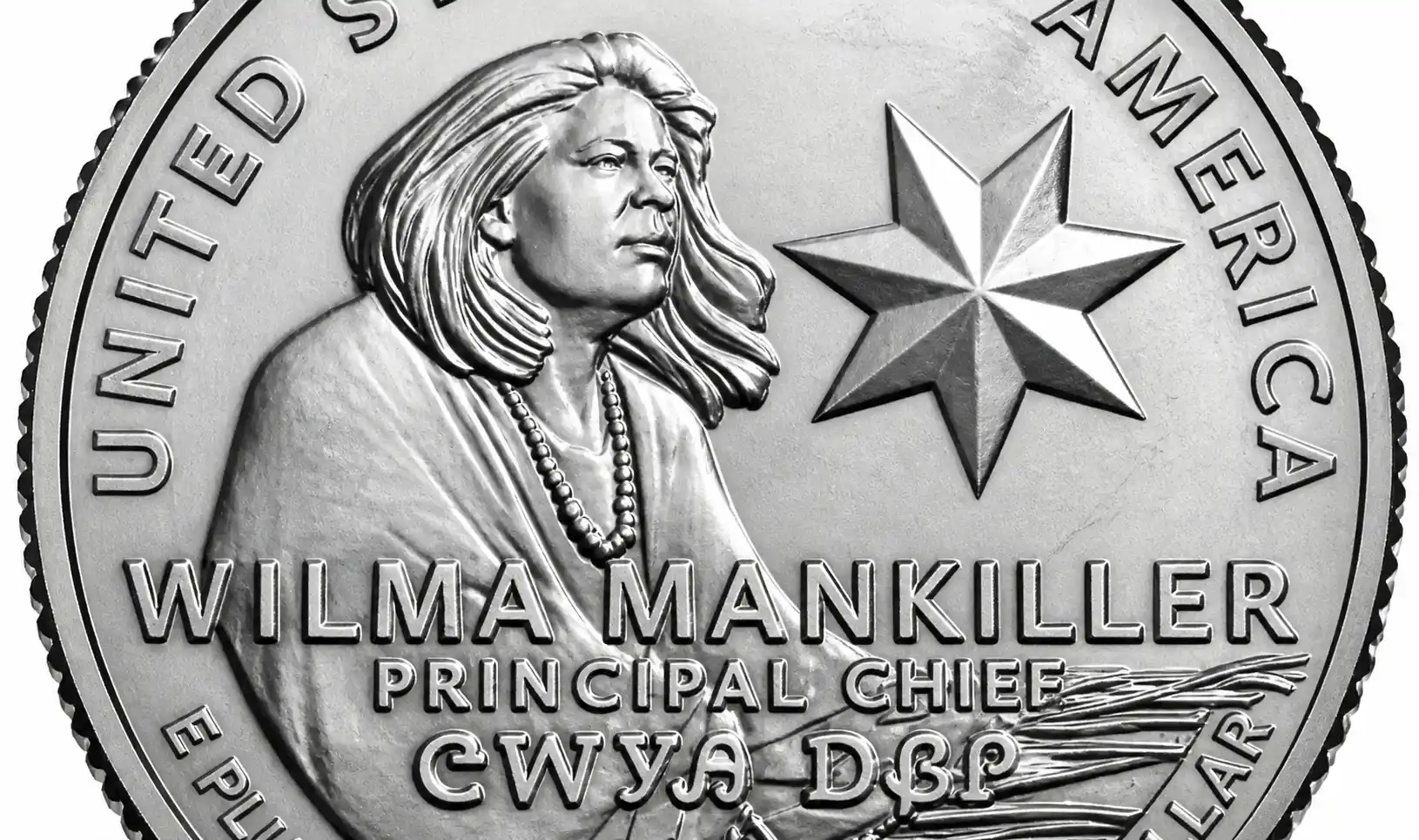
American Women Quarters program brought Laura Gardin Fraser's design back to life.
Right-facing profile of Washington is considered more aesthetically balanced.
Fine detailing of the president's hair requires high precision in press settings.
Price Growth Dynamics for Modern W (West Point) Issues
2019 Lowell W price: $45.
2020 Tallgrass Prairie W price: $35.
2026 year price for 2019-2020 W set in MS65: $650.
Impact of Preservation on Investment Potential
Sheldon scale remains the only objective evaluation tool.
Example: 1932-S (San Francisco)
Good 4 condition price: $140.
Fine 12 condition price: $185.
MS63 condition price: $450.
MS65 condition price: $2,800.
Price gap between grades is driven by the rarity of high-preservation specimens — check it with the free coin value app.
Classification of Die Varieties
Varieties arise from minor edits in master dies.
Type 1 (1916–1917) — Bare breast.
Type 2 (1917–1930) — Chainmail and three stars under the eagle.
Variety 1 (1932–1964) — Silver.
Variety 2 (1965–present) — Copper-Nickel plated layer.
Wear Process and Its Effect on Design Legibility
Letters on the shield are the first to wear off on Seated Liberty coins.
Date disappears faster than other elements on Standing Liberty quarters.
Wear is noticeable on modern Washingtons through the loss of hair details.
Preservation of all letters in the word LIBERTY indicates high condition.
Role of Collector Sets in Preserving Design
Proof and Uncirculated sets allow seeing the design in its original form.
Using 99.9% silver in modern sets increases detailing.
2026 year price for Silver Proof Set 2024: $140.